


Introduction
With the rapid advancement of AI technology, its application scope is expanding. In particular, AI Agents have become key technologies playing crucial roles across various industries and in daily life. An AI Agent is a system that performs tasks independently or interacts with humans to solve problems, acting as an intelligent "representative." These AI Agents provide more than just automation, and more businesses and consumers are realizing their value.
An AI Agent is not just a tool that executes commands; it has the ability to make autonomous and intelligent decisions, making it a core technology for the future society. In this insight, we will explore the concept of AI agents, their use cases, and technical features, and discuss how they are expected to change our lives.
Main Body
What is an AI Agent?
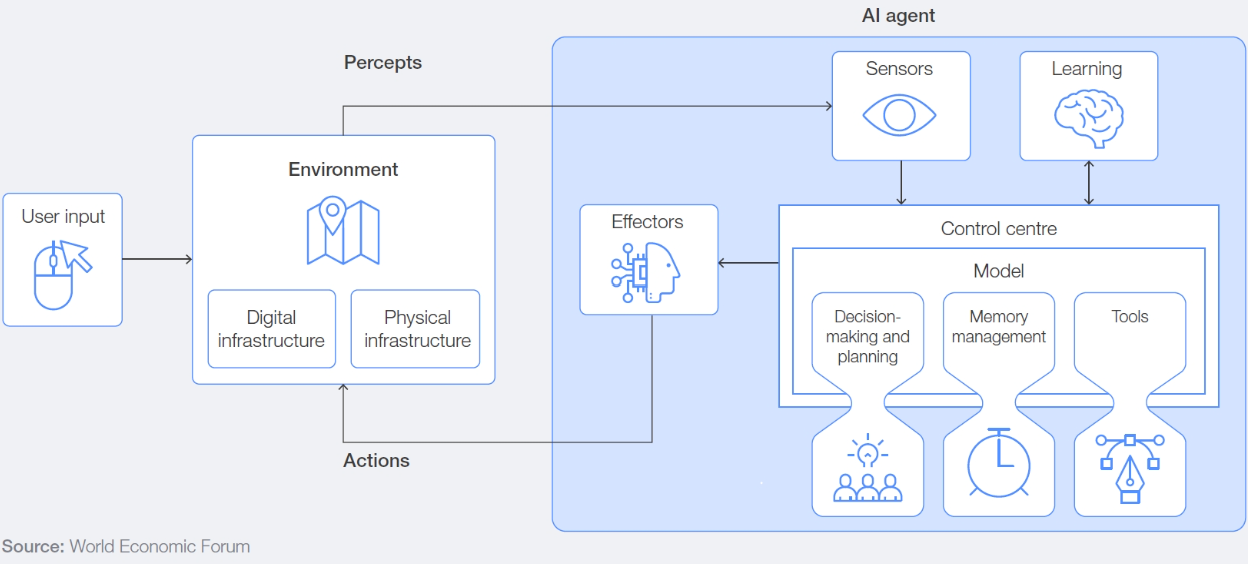
An AI Agent is an artificial intelligence system that autonomously performs tasks and makes decisions. Through this, AI goes beyond simple task automation and solves complex problems without human intervention. AI agents perform four main functions: sensing, analysis, planning, and execution, and are designed to make optimal decisions in any given situation.
1
2
3
4
Key Features of AI Agents
The core features of AI agents are autonomy and intelligence. AI agents handle tasks independently and solve problems without human intervention. They also possess learning capabilities, allowing them to become more efficient and intelligent over time.
5
6
7
Use Cases of AI Agents
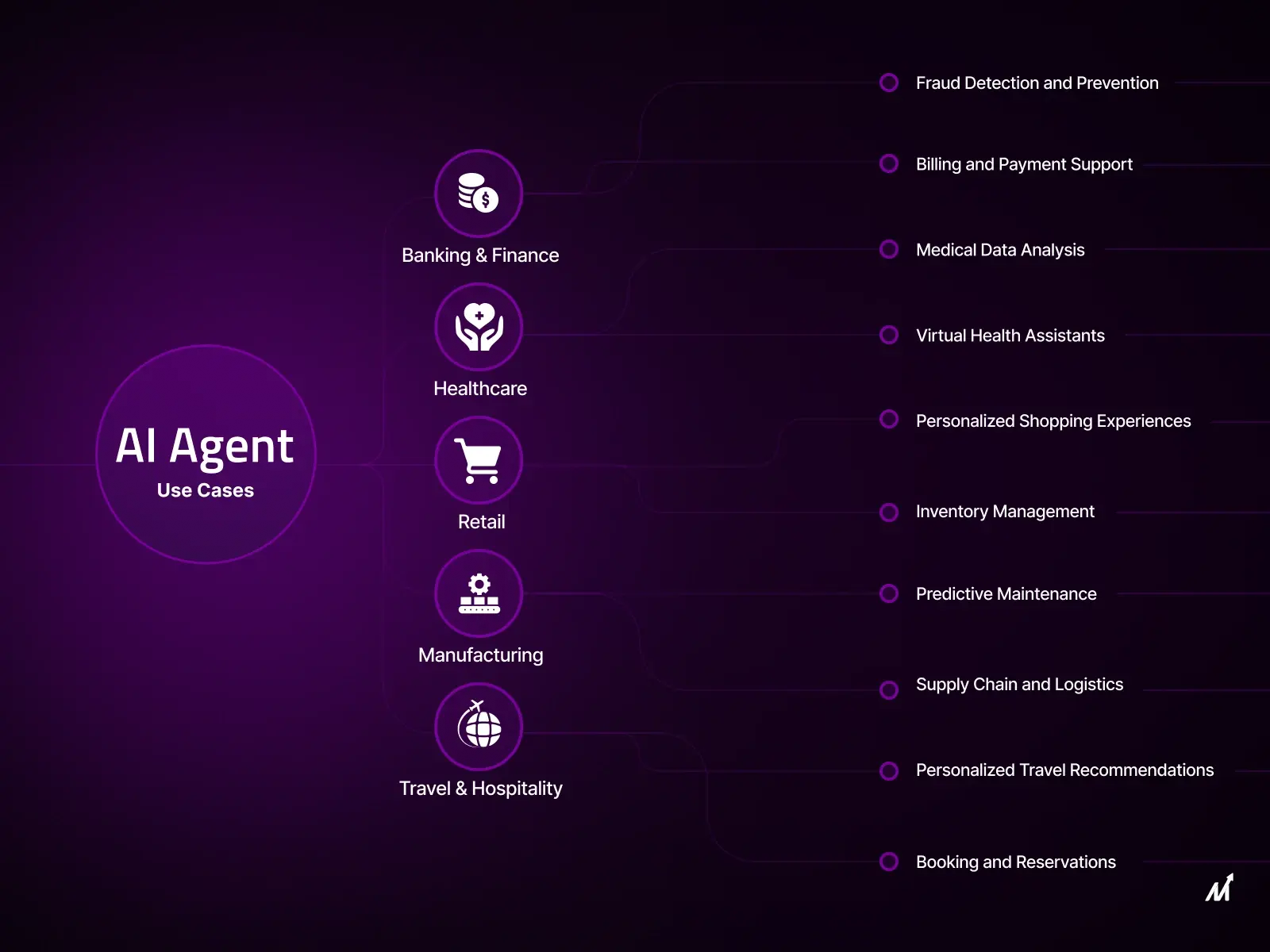
AI Agents are already being actively utilized across various fields. Some of the examples include:
Preparing for Langcode AI Agents
Recently, Langcode is planning projects for product recommendations and consultant bots. Langcode's CXP is taking on the role of a primary consultant, beyond simple consultation, replacing areas that are essential in the product recommendation and purchasing stages.
As customer expectations for AI services grow, Rankode is advancing its AI services and technologies to match this trend.
Conclusion
AI Agents are more than simple automation systems. Through autonomous and intelligent decision-making, they create new value and efficiency. These technologies are revolutionizing various industries, showing the ability to solve complex problems without human intervention. In the future, AI Agents will continue to evolve and become essential tools in our daily lives and work.
AI Agents will maximize efficiency and productivity, while complementing and enhancing human roles, having a positive impact across society. Businesses can introduce AI Agents to optimize operations and drive innovation, while users will experience more convenient and smarter services.