



Intro
Recently, prominent market-leading services have been actively adopting GenAI. Although these services had already achieved excellent results and built large user bases without AI, there is an increasing trend of shifting their core strategies to focus on GenAI.
This is not simply to create an image of an “AI-integrated service,” but because GenAI has the genuine potential to dramatically expand and enhance their service capabilities. This trend is expected to accelerate further, making the integration of GenAI an unavoidable challenge for product leaders planning and developing products and services.
Gartner® has published a research report titled “Emerging Tech: Primary Impact of Generative AI on Business Use Cases” as part of its Emerging Tech series, addressing these business trends. We believe The report broadly examines how GenAI impacts various types of business use cases. In summary, Gartner states, “Generative AI will become pervasive in the next two to three years with the most impact around content generation and discovery, conversational AI and simulations. Product leaders should capitalize on GenAI’s primary areas of impact to advance their product and service differentiation.”
This insight will delve into the four key shifts of GenAI highlighted in the Gartner research (as shown in Figure 1): the standardization of conversational interfaces, the revolution in content creation methods, changes in information search and discovery techniques, and the leap in simulation technologies—exploring what strategic approaches product leaders and those seeking to leverage AI should adopt in future product planning and development.
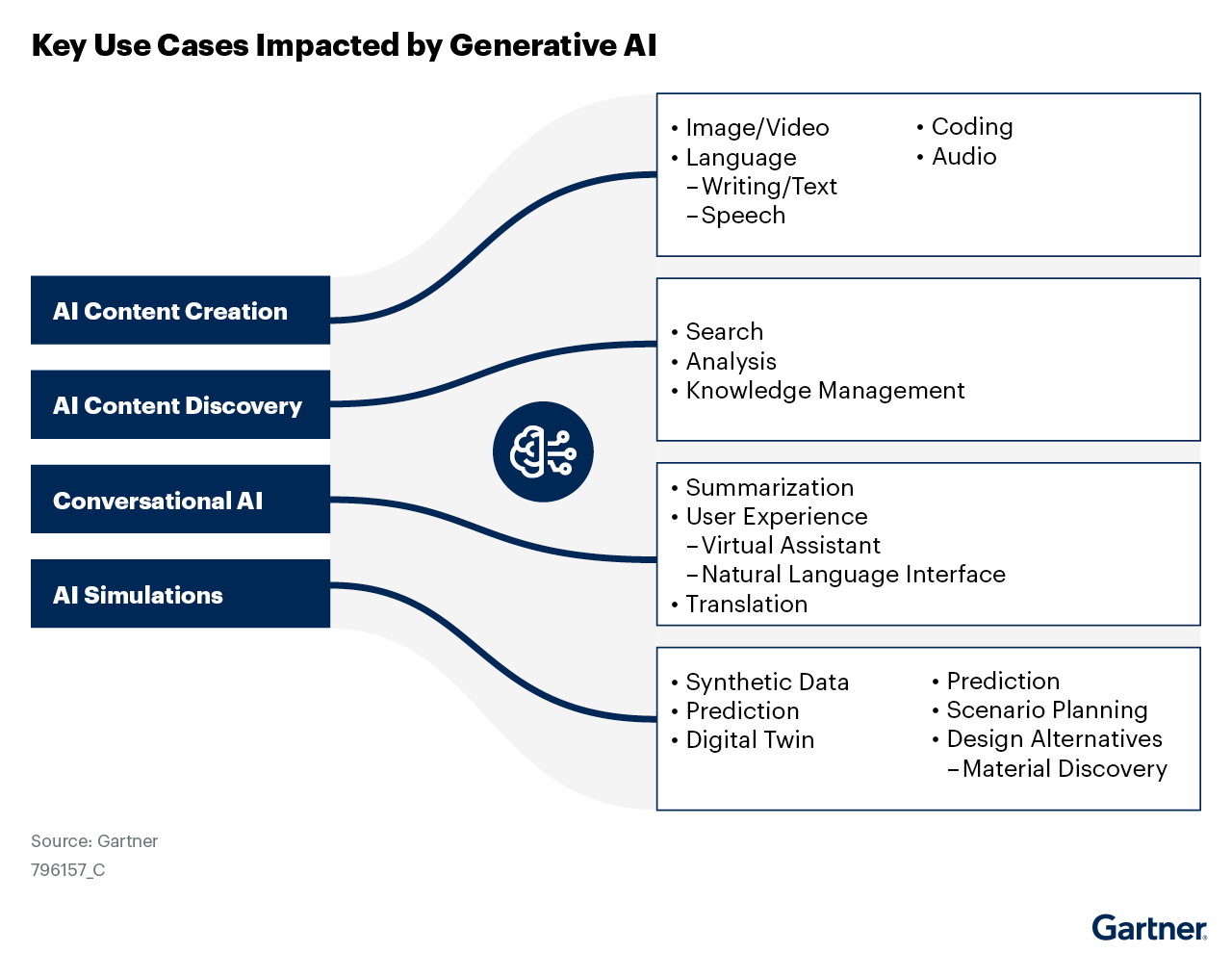
Figure 1. Key Use Cases Impacted by Generative AI
Body
It is worth noting that the adoption of GenAI is not merely a trend, but a reality proven by numbers. Gartner shares the following research findings:
In light of these anticipated changes, there are fundamental questions that product leaders and all those strategically preparing products or services must consider: In which areas should GenAI be prioritized for implementation?
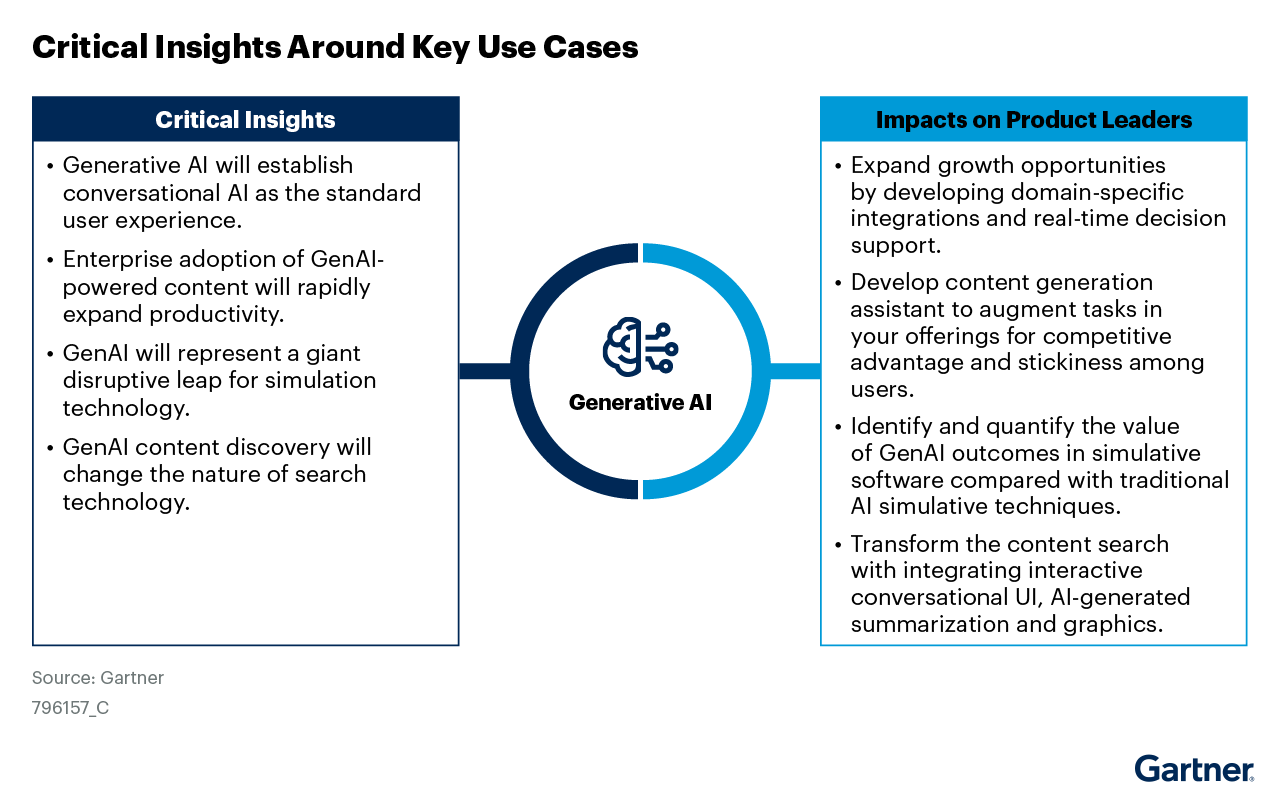
Figure 2. Critical Insights Around Key Use Cases
“Critical Insight: Generative AI Will Establish Conversational as the Standard User Experience
According to Gartner, Leading conversational AI and VA providers are at the forefront of adopting foundation models into their solutions in the last 12 months. They have incorporated foundation models and GenAI capabilities to improve accuracy of multi-intent recognition, develop synthetic voices and achieve greater augmentation of human work. Over the next two years, VAs will advance to Level 4 “Expert” (see the Emerging Tech: Use Generative AI to Transform Conversational AI Solutions for more details).”
Furthermore, in the short term, as a continuation of the above: “GenAI will continue to substantially increase the breadth and accuracy of conversational AI and advanced VAs. Technology providers that do not incorporate GenAI-driven interfaces into their products will gradually lose competitiveness until obsolescence around 2028, when these interface technologies become minimum entry requirements.
GenAI will also begin reshaping the workplace and societal landscape, enabling multiple new use cases and adding human augmentation to many others. Continued advancementand broader adoption will depend on other tech improvements, such as responsible AI, data engineering, model management, AI tooling, skills development and emerging AI regulations. Responsible AI and emerging regulations will impact all industries and will also help build consumer trust with AI-enabled applications and solutions. Therefore, product leaders of various software solutions with human augmentation or automation capabilities must include responsible AI into their product roadmaps. This will enable product differentiation with focus on transparency and privacy.”
Furthermore, the following practical recommendations are advised:
In this regard, K, a major company in the retail sector among Langcode’s customers, is actively adopting GenAI-based interfaces. Previously, it operated a traditional rule-based chatbot for its intermediary customers and end users. However, it is gradually transitioning its core functionalities from the existing chatbot to a GenAI-based chatbot through Langcode CXP. Recently, it has been preparing services aimed at enhancing interaction with end users by adding more user-centric features, such as location-based product recommendations, health information-based product recommendations, and more personalized responses using purchase histories and conversation records.
“Critical Insight: Enterprise Adoption of GenAI-Powered Content Production Will Rapidly Expand Productivity”
At this stage, reviews and evaluations for actively adopting content or materials generated by GenAI are in full swing, regardless of the size of the company. This is because it can significantly boost a company’s productivity.
According to Gartner, “In the next three to five years, the productivity gains will extend into areas of agents and actions by enabling users to communicate with semiautonomous systems that can build processes, workflows and trigger actions based on the instructions given. Workers will become designers and orchestrators of systems and outputs.
The adoption of GenAI-based content production tools represents a GenAI utilization strategy with even greater potential value from the perspective of automating existing workflows, beyond the conventional scope of AI chatbots that simply handle Q&A.
In fact, among Langcode’s client cases, manufacturing companies required the support of generative AI for highly complex processes that involve domain-specific data. For instance, tasks such as identifying specific information from blueprint images and cross-checking it against real-world data, or generating and visualizing reports based on recorded errors in the manufacturing process, fall into this category. These tasks, in particular, necessitate AI services with multimodal capabilities, as they involve not just text but also images, tables, and charts. The AI must be able to respond appropriately to user requests by processing and generating outputs in various formats.
Moreover, AI bots responsible for handling these intricate enterprise processes will, over time, evolve into domain-specific agents capable of designing and executing more optimized workflows.
“Critical Insight: GenAI Content Discovery Will Change the Nature of Search Technology”
While the advancement of IT technologies has led to a vast and diverse proliferation of content, the discovery of content that is necessary or potentially useful for individual users is becoming increasingly challenging. This is particularly critical in corporate environments where productivity is paramount, as it directly impacts costs, necessitating better technology to address the issue.
According to Gartner, “Within those use cases, GenAI content discovery opportunities are emerging around:
Langcode CXP provides the core functionality of delivering the necessary information and answers to users through integration with any document or file. Therefore, it supports seamless searching and utilization of data or content within the company by providing various supporting documents at a glance and ensuring transparency in their sources.
It also supports detailed configuration of “access management”—a feature that any enterprise GenAI solution should have—allowing not only control over accessible documents or data but also granular settings for AI bot usage. For instance, even if users interact with the same AI bot, the availability or extent of responses may vary depending on the documents they have access to.
“Critical Insight: GenAI Will Represent a Giant Disruptive Leap for Simulation Technology”
As GenAI technology advances, simulation is moving beyond traditional static modeling approaches to enable simulations that closely mirror reality. This will allow for more precise replication of complex real-world problems and offer innovative approaches in prediction and optimization processes.
In particular, GenAI can automatically learn and incorporate a variety of variables and uncertainties, significantly improving the accuracy and processing speed that were once limitations of traditional models. Consequently, the scope and efficiency of simulations in various industries such as urban planning, manufacturing processes, and financial modeling are expected to be dramatically enhanced.
Gartner states, “New use cases that we expect to emerge within two to three years include:
Gartner expects a three-year horizon until GenAI outcomes reach “early majority” status in the market. Simulations relating to traditional, core business processes will recognize aggressive investment in R&D and prioritization to become generally available features and capabilities within the next 12 to 18 months. Examples of these traditional processes include sales performance and execution, scenario planning for employee training or business strategy, and business process transformation.”
Some of these anticipated use cases are already being observed in reality through demonstrations or beta features. These early experimental results demonstrate that solutions integrating GenAI with simulation technology can have a significant impact in real-world work environments, and they are expected to expand into even broader fields in the future.
Conclusion
GenAI has already proven its ability to fundamentally redefine not only technological innovation but also the overall operational model and user experience of enterprises. It is now time for product leaders to proactively respond to these changes and consider strategic investments and adoption measures to secure a sustainable competitive edge. Innovative AI integration cases in the market will establish new standards, ultimately serving as the core driver of enhanced corporate competitiveness.
Langcode CXP is contributing to the establishment of new business models by providing state-of-the-art AI solutions and tailored strategic consulting services, enabling companies across various domains to achieve innovative competitive enhancement through GenAI. In particular, CXP is also creating AI innovation cases in the financial and public sectors, where successful applications support companies in building more efficient operational frameworks and offering differentiated services to their customers.
If you have further questions about these innovative cases or inquiries about the service, please submit your request via the link below. Moving forward, Langcode will continue to support the establishment and execution of tailored AI strategies, striving to create better services that ensure a sustainable competitive advantage across all industries.
Attributions and Disclaimers:
Gartner, Emerging Tech: Primary Impact of Generative AI on Business Use Cases, Annette Jump, Anthony Bradley, Eric Goodness, Radu Miclaus, 4 February 2025
GARTNER is a registered trademark and service mark of Gartner, Inc. and/or its affiliates in the U.S. and internationally and is used herein with permission. All rights reserved.
Gartner does not endorse any vendor, product or service depicted in its research publications, and does not advise technology users to select only those vendors with the highest ratings or other designation. Gartner research publications consist of the opinions of Gartner’s research organization and should not be construed as statements of fact. Gartner disclaims all warranties, expressed or implied, with respect to this research, including any warranties of merchantability or fitness for a particular purpose.