

Democratizing AI models
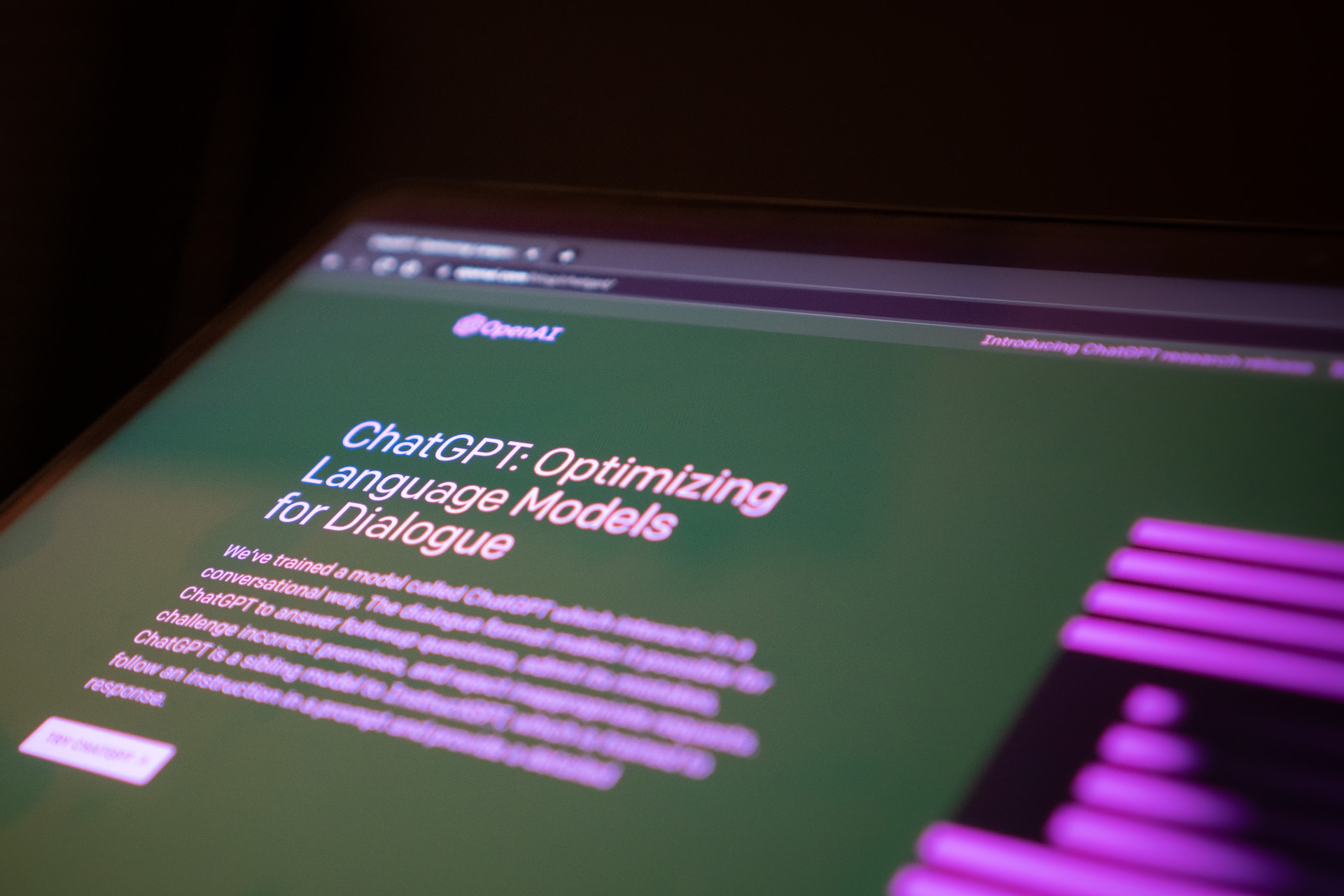
Artificial Intelligence (AI) seems to be closer to us than ever, and it's hard to argue with the fact that one service in particular, OpenAI's ChatGPT, has been instrumental in bringing AI to the forefront of many people's minds.
Launched on November 30, 2022, and setting a record for the fastest time to 100 million monthly active users in just two months, ChatGPT has already shown a lot of promise in just half a year, from a variety of uses by individual users to additional scalability by field developers. To capitalize on this potential, many enterprises are looking into ways to use ChatGPT as an in-house tool. However, the jury is still out on its enterprise readiness. Why is ChatGPT not yet enterprise ready?
What is ChatGPT?
To better understand the question above, let's start with a quick overview of what ChatGPT is. ChatGPT is an AI chatbot service that is trained to interact conversationally with users. The user's request or question is called a "prompt," and it "generates" an appropriate answer in response to the requirements stated in the prompt— the hallmark of generative AI like ChatGPT.
GPT-3.5, ChatGPT's core and default model, is an example of a Large Language Model (LLM), which has been trained on datasets (limited up to 2021) covering a wide range of languages and topics from various websites, books, papers, news articles, etc. This means that it is able to understand human language and generate answers to questions through training on a large amount of text datasets. However, the caveats of this feature are the limitations that make it difficult to adopt within businesses.
First, the pre-trained AI model, ChatGPT, is not trained on internal company data. It is impossible to provide specialized answers based on the company's specific regulations, work methods, etc. Recently, GPT integration services such as ChatPDF have been released to support Q&A by uploading additional documents in addition to ChatGPT's training data, but users have to manually upload PDFs one by one, and the lack of functions such as data preprocessing and verification clearly limits its use in the real workplace.
Second is the security issue. Currently, OpenAI uses the bot's and user's conversation history as retraining material to secure better performance of ChatGPT. This is an absolutely unacceptable policy for companies, as there is a possibility that personal information or confidential company information in the conversation history can be retrained. In fact, on March 20, 2023, confidential information of a major Korean semiconductor company was leaked through ChatGPT. ChatGPT has also been banned in countries such as Italy. This is one of the first issues to be tackled by Enterprise Ready.
While there are still issues that need to be addressed, ChatGPT has a lot of strengths that can be utilized in a variety of situations. So, how can businesses take full advantage of these strengths?
Azure OpenAI Service for Enterprises
Microsoft, which operates the cloud platform Azure, recently announced the Azure OpenAI service, which makes core AI models developed by OpenAI, including GPT, available within the Azure cloud environment. The most notable aspect of this is not only the availability of ChatGPT-based models in the cloud environment, but also the resolution of the issues that may be associated with the use of ChatGPT in the enterprise.
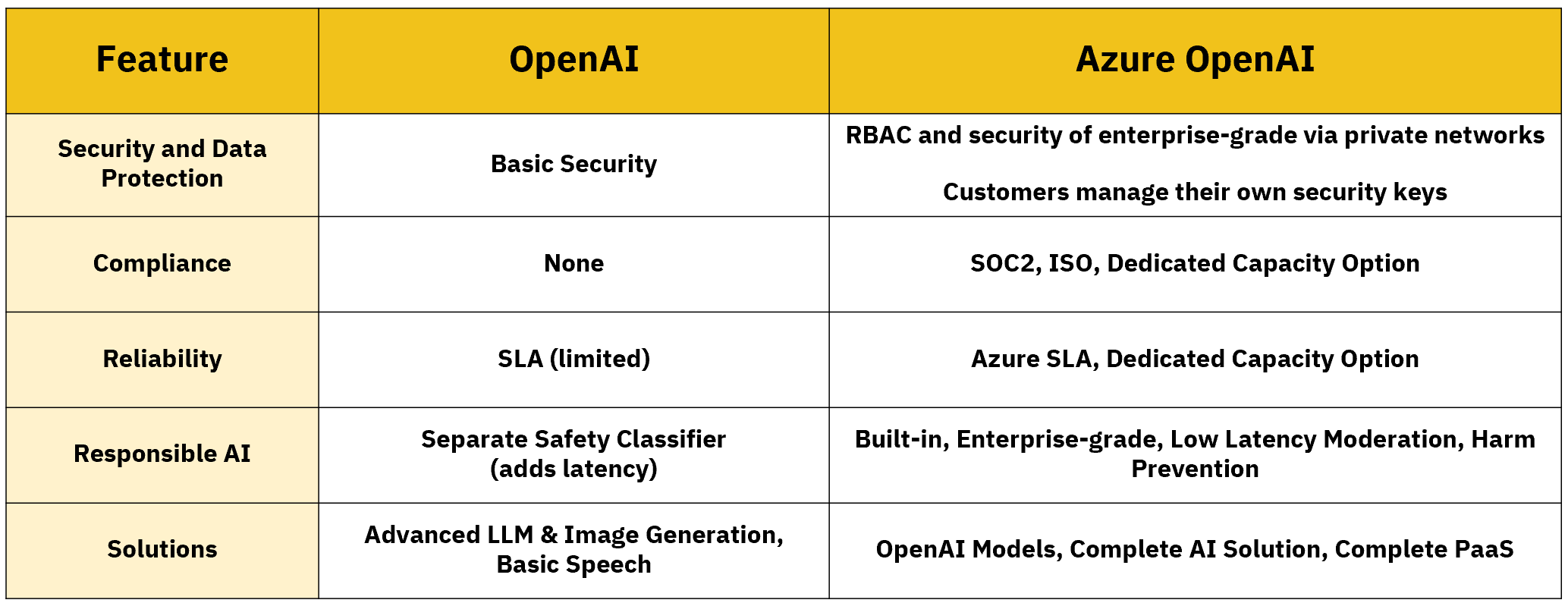
[Table 1] Differences between OpenAI and Azure OpenAI Services on features considered for enterprise solutions (source: Microsoft + OpenAI Online Conference)
Azure OpenAI supports enterprise-grade security and data protection, as shown in Table 1 above. This is supported by compliance with various key regulations and the provision of Service Level Agreements (SLAs), which are guaranteed performance standards for customers using Azure OpenAI services. In addition, Microsoft has established the Principles for Responsible AI Service Delivery for all AI services, and Azure OpenAI will follow these principles. While using Azure OpenAI, companies can also be rest assured that their private company-related material will not be used for retraining purposes.
Thinking Ahead with ChatGPT service, Langcode CXP
Azure OpenAI services are provided in the form of APIs, and to create an app or service utilizing them, you need to build the front-end and back-end, including the user interface. It is a common misconception that Azure OpenAI, as well as ChatGPT and other LLM AI’s, do not provide the ability to learn documentation, data, or integrate with databases on their own at the API or feature level. In order for ChatGPT to understand and answer questions about your data, you need to implement a series of processes to aggregate your data from multiple data sources, in a variety of schemas and formats, and connect it to an AI like GPT in the appropriate way. For most organizations, a large-scale AI and data development project would be a challenging undertaking that would require a significant investment of time, money, and risk. Furthermore, if the data isn't already in the cloud, or if you are relying on legacy infrastructure, you will need to consider the additional work and effort of migrating data to the cloud.
These constraints are addressed by two keywords at Langcode: Integration and Generation. Langcode CXP connects company data to OpenAI's GPT. In doing so, it synthesizes data preprocessing, search, question and answer analysis, prompt engineering, and more.
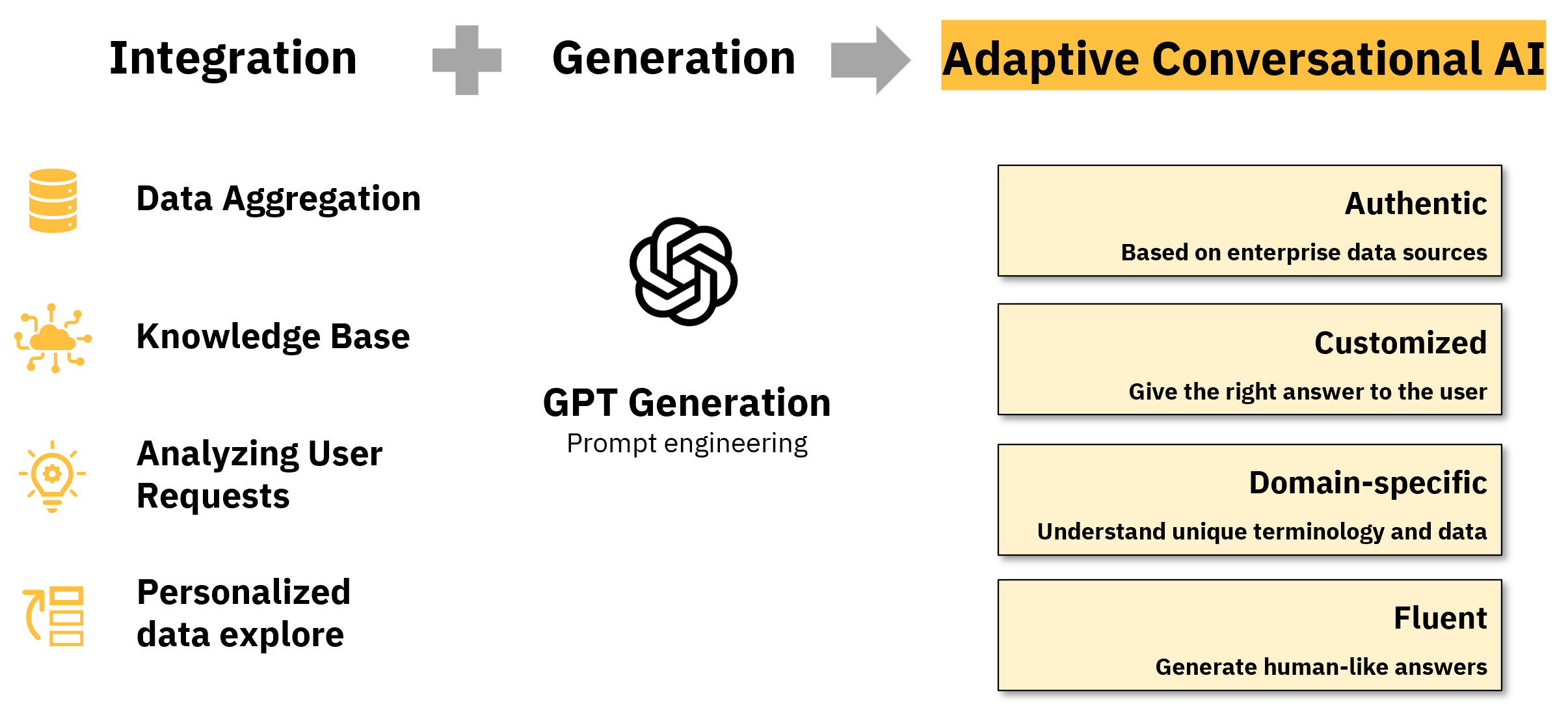
Langcode Solution CXP approaches enterprise solutions with [Integration + Generation]
First, Langcode CXP supports real-time integration with more than 90 data sources, including internal databases and collaboration tools like Notion and Teams. The AI engine in Langcode CXP pulls data and automatically builds the knowledge base, eliminating the need for organizations to manually collect and process data.
This knowledge base is then linked to the Azure OpenAI service and is used to respond to user requests, providing answers that reflect domain knowledge and business logic for each company and industry. Compared to using ChatGPT directly, it can provide answers based on internal data with clear rationale (authentic), provide customized answers in the form required for the business (customized), understand proper names and jargon (domain-specific), and provide the same level of naturalness and fluency that you expect from ChatGPT.
In other words, Langcode CXP is an enterprise-ready ChatGPT solution that delivers end-to-end as an AI platform the tasks and capabilities required for data integration and connectivity that enterprises need when adopting generative AI like ChatGPT. CXP supports not only Q&A on internal data, but also utilizes external knowledge, information, and open sources when necessary, and provides answers in various formats such as cards, buttons, charts, and files beyond simple text, helping to dramatically reduce workload and improve productivity.
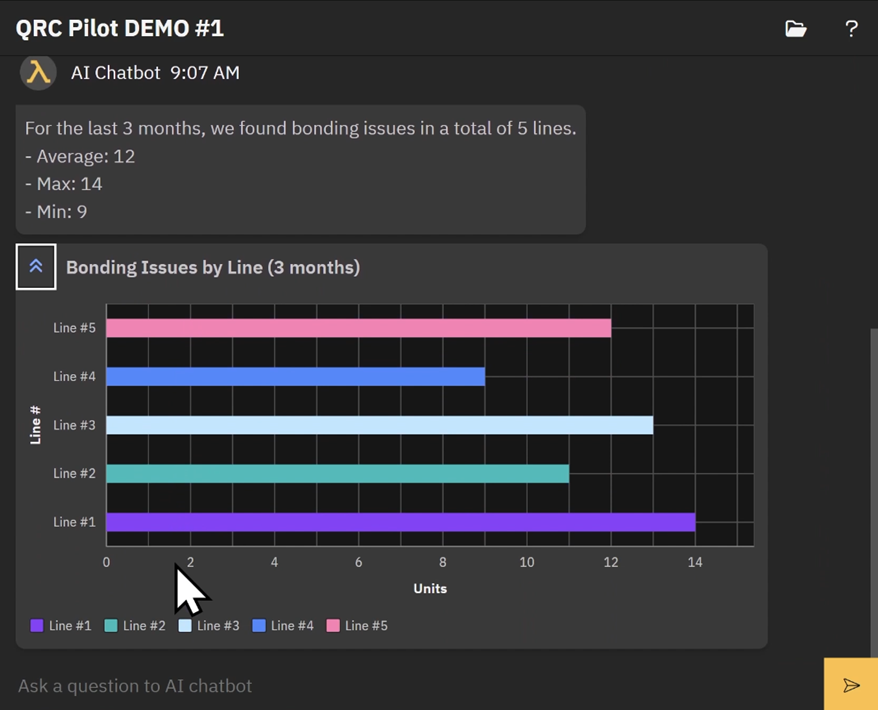
[Figure 1] Captured demo video of Changshin Nike
Beyond Conversational AI
In recognition of these strengths and differentiators, Langcode CXP has secured successful adoption through collaboration with large domestic and foreign companies in various industries, including SW development, finance, automotive, manufacturing, bio, public sector, etc. Based on the experience gained through these collaborations and feedback from practitioners, we have derived guidelines to accelerate adoption, application, and expansion in the workplace, and are advancing the solution with Responsive AI, which includes self-service and multimodal capabilities so that all employees can quickly and easily create customized AI bots. We will be talking more about Responsive AI in our next update. In the meantime, if you'd like to learn more about CXP solutions, you can request an online consultation via this link.